By the MiamiPermitAI team · June 28, 2026 · Updated September 30, 2026
Homeowner Building Permit Application: Miami-Dade Guide
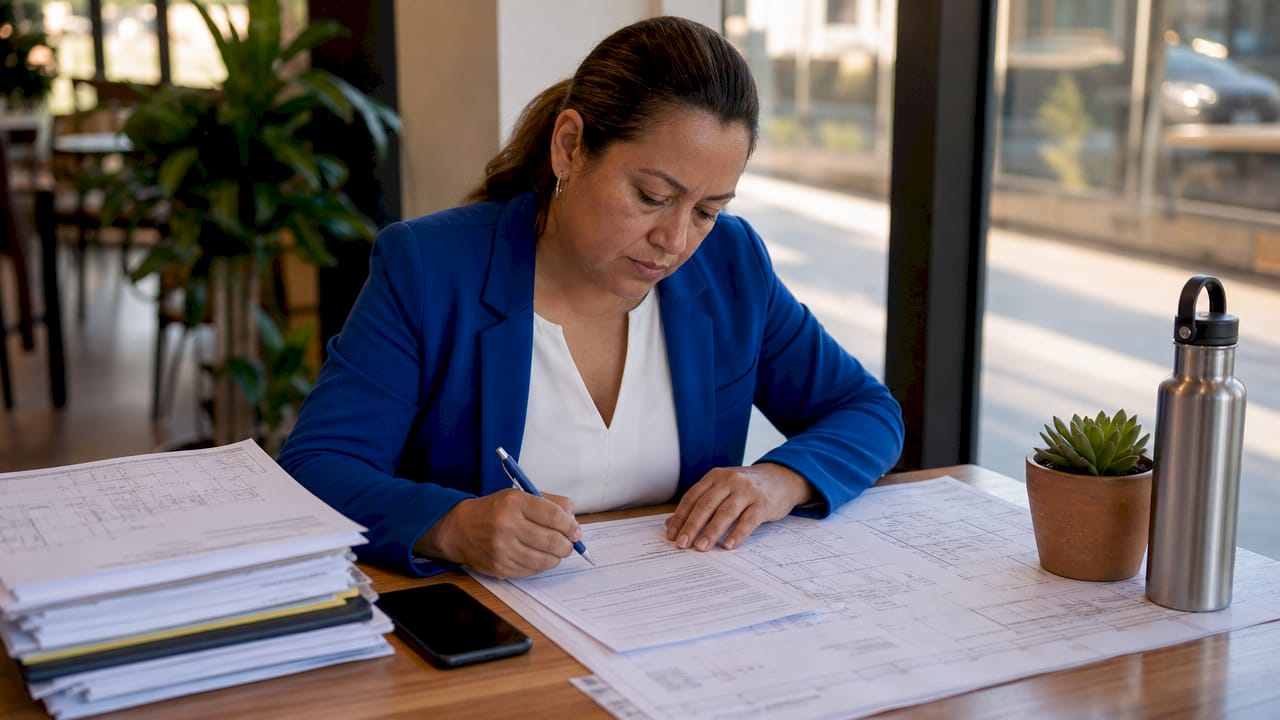
A homeowner building permit application is your official authorization to begin safe, code-compliant residential construction or renovation in Miami-Dade County. Without it, you risk stop-work orders, fines, and work that cannot legally be sold or insured. Miami-Dade enforces the Florida Building Code alongside Miami 21 zoning rules, FEMA flood zone requirements, and local setback standards. Getting your application right the first time is not luck. It is preparation.
What documents do you need for your homeowner building permit application?
Complete documentation is the single biggest factor separating approved applications from rejected ones. Mismatched documents cause rejections before a reviewer even reads your plans. Every form, drawing, and supporting document must tell the same story.
Here is what Miami-Dade homeowners typically need to submit:
- Completed permit application form. Fill out every field. Blank fields trigger automatic correction requests.
- Detailed site plan. Show your property boundaries, existing structures, setbacks, and the proposed work location. Miami 21 zoning setbacks vary by transect zone, so confirm yours before drawing.
- Construction drawings. Structural work, electrical, and plumbing all require drawings. Projects above certain values require engineer or architect seals. Florida code compliance documentation for materials is often required separately.
- Owner-builder affidavit. If you are acting as your own general contractor, Miami-Dade requires this form. It confirms you understand your legal liability.
- Contractor license information. If you hire a licensed contractor instead, include their Florida DBPR license number. Miami-Dade verifies this against state records.
- Notice of Commencement. Required for projects above a certain dollar threshold. It protects you from contractor liens and must be recorded before work begins.
- Permit fees. Fees range $200–$800 for most residential projects, paid at submission and non-refundable regardless of outcome.
Pro Tip: Before you finalize any drawing, pull your folio record from the Miami-Dade Property Appraiser and confirm your lot dimensions match what your site plan shows. A one-foot discrepancy will stop your application cold.
| Document | Why it matters |
|---|---|
| Site plan | Confirms setbacks, lot coverage, and flood zone compliance |
| Construction drawings | Shows reviewers exactly what will be built and how |
| Owner-builder affidavit | Transfers full legal liability to you as the homeowner |
| Contractor license | Verified against Florida DBPR; missing info causes rejection |
| Notice of Commencement | Required above project value thresholds; protects against liens |
How do you submit your application in Miami-Dade?
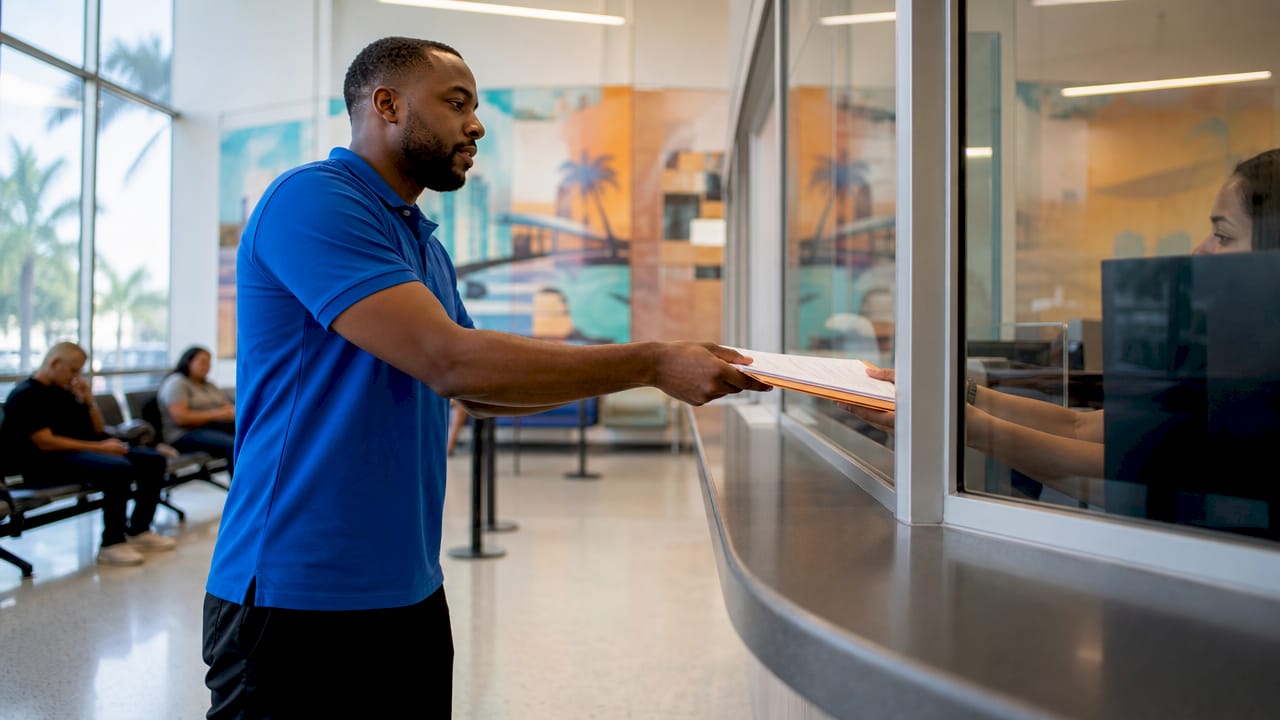
Miami-Dade County accepts building permit applications through its online portal, which routes your package simultaneously to multiple reviewers. Online submission accelerates review compared to in-person drop-off because all departments receive your documents at the same time. In-person submission at the Permitting and Inspection Center remains an option for homeowners who prefer it.
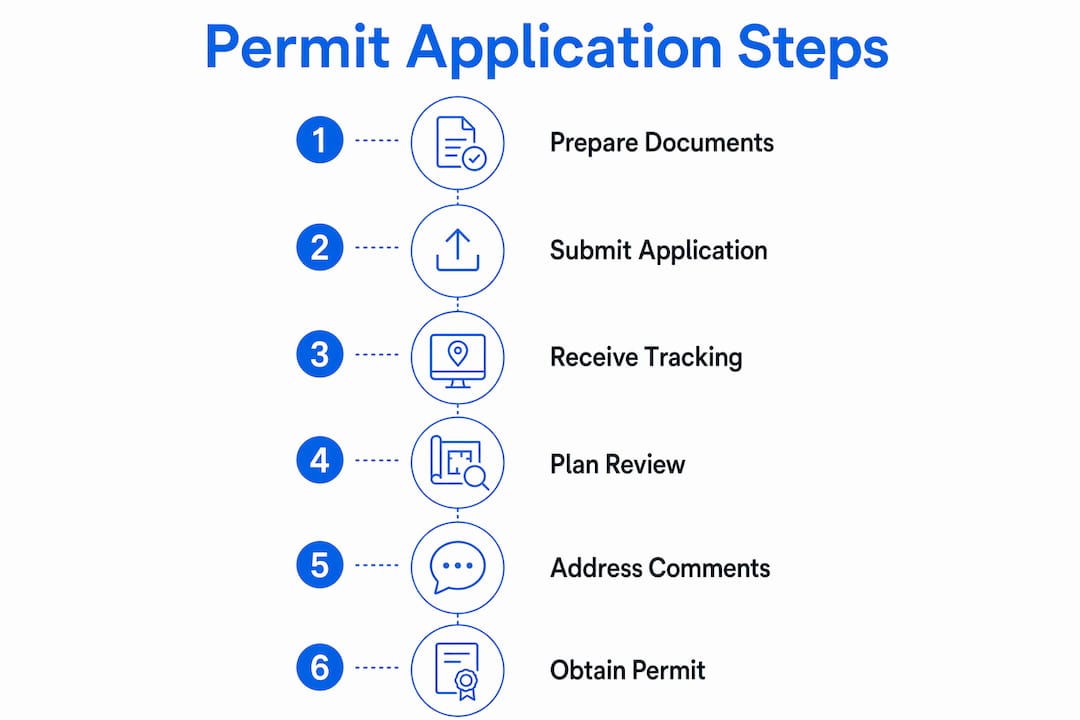
Follow these steps to submit correctly:
- Create your account. Register on the Miami-Dade County ePlan portal before you upload anything. Have your property folio number ready.
- Upload all documents as PDFs. Each file must meet the county’s naming and resolution standards. Non-compliant files are rejected before review begins.
- Pay your fees at submission. Fees are non-refundable regardless of whether your application is approved or denied. Budget for this before you submit.
- Record your permit tracking number. Miami-Dade assigns a tracking number immediately after submission. Use it for every follow-up call or email with the building department.
- Note your estimated review window. Standard residential reviews take 5–20 business days. Complex projects with structural engineering can run 4–8 weeks or longer. Expedited review is available, but costs 50–100% more in fees.
Pro Tip: Submit mid-week. Monday submissions pile up with weekend backlogs. Wednesday submissions often enter the reviewer queue faster.
The tracking number is your most important tool after submission. Check it regularly. Miami-Dade posts review comments and status updates through the same portal, so you will know the moment a reviewer flags something.
What happens during plan review and how do you handle comments?
Plan review is a technical compliance check, not a simple administrative step. Building officials verify that your drawings meet the Florida Building Code, Miami 21 zoning, and FEMA flood zone requirements before authorizing any construction. Expect at least one round of comments on most residential projects.
The most common reasons permit applications get flagged include:
- Incomplete information. Missing dimensions, unlabeled materials, or blank specification fields.
- Internal inconsistencies. Your site plan shows a setback of 7.5 feet but your floor plan shows 6 feet. Reviewers catch these every time.
- Missing engineer or architect seals. Structural work above certain thresholds requires a Florida-licensed professional’s seal. Submitting without one wastes review time.
- Code non-compliance. Materials or methods that do not meet the Florida Building Code or local amendments.
“Prompt response to plan review comments is the primary factor influencing final permit approval speed. Incomplete applications are the top cause of delays, and back-and-forth is expected and should be planned for.” — How to Get a Building Permit in 2026
The plan review phase works as an iterative conversation between you and the reviewer. Homeowners who respond within 24–48 hours of receiving comments move through the queue faster than those who wait days. Set aside time and budget for at least one revision cycle. Treating review comments as a problem is the wrong mindset. They are a checklist of exactly what to fix.
Pro Tip: When you respond to review comments, address every single item in writing. Number your responses to match the reviewer’s numbered comments. Reviewers process dozens of applications. Making their job easier speeds up your approval.
What are your responsibilities after the permit is issued?
Permit issuance is not the finish line. It is the starting gun for a set of legal obligations that run through the entire construction process. Owner-builders carry full legal and financial liability for compliance with the approved plans and Florida Building Code. Deviating from approved drawings, even slightly, risks failed inspections and costly corrections.
Here is what you must do after your permit is issued:
- Post the permit and approved plans on-site. Miami-Dade requires the permit placard and a copy of the approved drawings to be visible at the job site at all times. Inspectors will not proceed without them.
- Schedule inspections at each required stage. Key inspection stages include footing, framing, rough electrical, rough plumbing, and final. Missing a stage means the inspector cannot verify what is behind the walls.
- Never start work before the permit is posted. Starting construction before permit issuance triggers stop-work orders and fines starting around $700 in Miami-Dade and most Florida jurisdictions. The fine is just the beginning. You may also be required to expose completed work for inspection.
- Prepare your site before each inspection. Clear access to the work area. Have your approved plans open and ready. Know which stage is being inspected and what the inspector will check.
- Address failed inspection items immediately. A failed inspection is a correction notice, not a project killer. Fix the flagged items, request a re-inspection, and document everything in writing.
Pro Tip: Call to schedule your footing inspection before you pour concrete, not after. Once concrete is poured, an inspector cannot verify what is underneath. A missed footing inspection can require you to break up and redo the work.
Permit approval authorizes only what is shown in your approved plans. Any change to scope, materials, or layout after approval requires a permit revision or a new permit. This is where many owner-builders get into trouble. The building department is not your adversary here. They are enforcing the same rules that protect your home’s value and your family’s safety.
Key Takeaways
A complete, consistent, and promptly managed homeowner building permit application is the fastest path to approval in Miami-Dade County.
| Point | Details |
|---|---|
| Document consistency is non-negotiable | Site plans, drawings, and forms must match exactly to avoid rejection at intake. |
| Fees are paid upfront and non-refundable | Budget $200–$800 at submission regardless of approval outcome. |
| Review comments require fast responses | Responding within 24–48 hours is the primary factor in speeding up final approval. |
| Owner-builder liability is real | Full legal and financial responsibility rests with the homeowner, not a contractor. |
| Inspections must be scheduled at each stage | Missing a required inspection stage can force you to expose and redo completed work. |
Common lessons for homeowners navigating Miami-Dade permits
Many permit delays are self-inflicted. A homeowner spends months planning a renovation, then rushes the permit application in a single afternoon. The drawings do not match the site plan. The contractor’s license number is missing. The owner-builder affidavit is unsigned. The application comes back with six correction items, and the project stalls for three weeks.
The technical accuracy of your initial submission is the single biggest time-saver in this process. Every document you submit should be cross-checked against every other document before you hit submit. A dimension on your floor plan that does not match your site plan will get flagged. A material specification that does not reference the Florida Building Code will get flagged. These are not surprises. They are predictable.
Another common misconception is homeowners treating permit issuance as a formality they can work around. Starting prep work before the permit is posted is not a gray area in Miami-Dade. It is a violation with real financial consequences. The building department is not looking for reasons to penalize you. But they will enforce the rules when they find a violation.
My honest advice: treat the building department as a partner, not an obstacle. When you get review comments, call the reviewer. Ask for clarification. Most reviewers will tell you exactly what they need. That one phone call can save you a full revision cycle. The homeowners who get permits approved fastest are the ones who prepare thoroughly, respond quickly, and communicate clearly.
How Miamipermitai helps you submit a stronger application
Preparing a complete permit package for Miami-Dade is harder than it looks. Miamipermitai reviews your building permit package against Miami-Dade requirements before you submit to the county, flagging missing documents, plan inconsistencies, and the issues that most often cause rejections and delays.
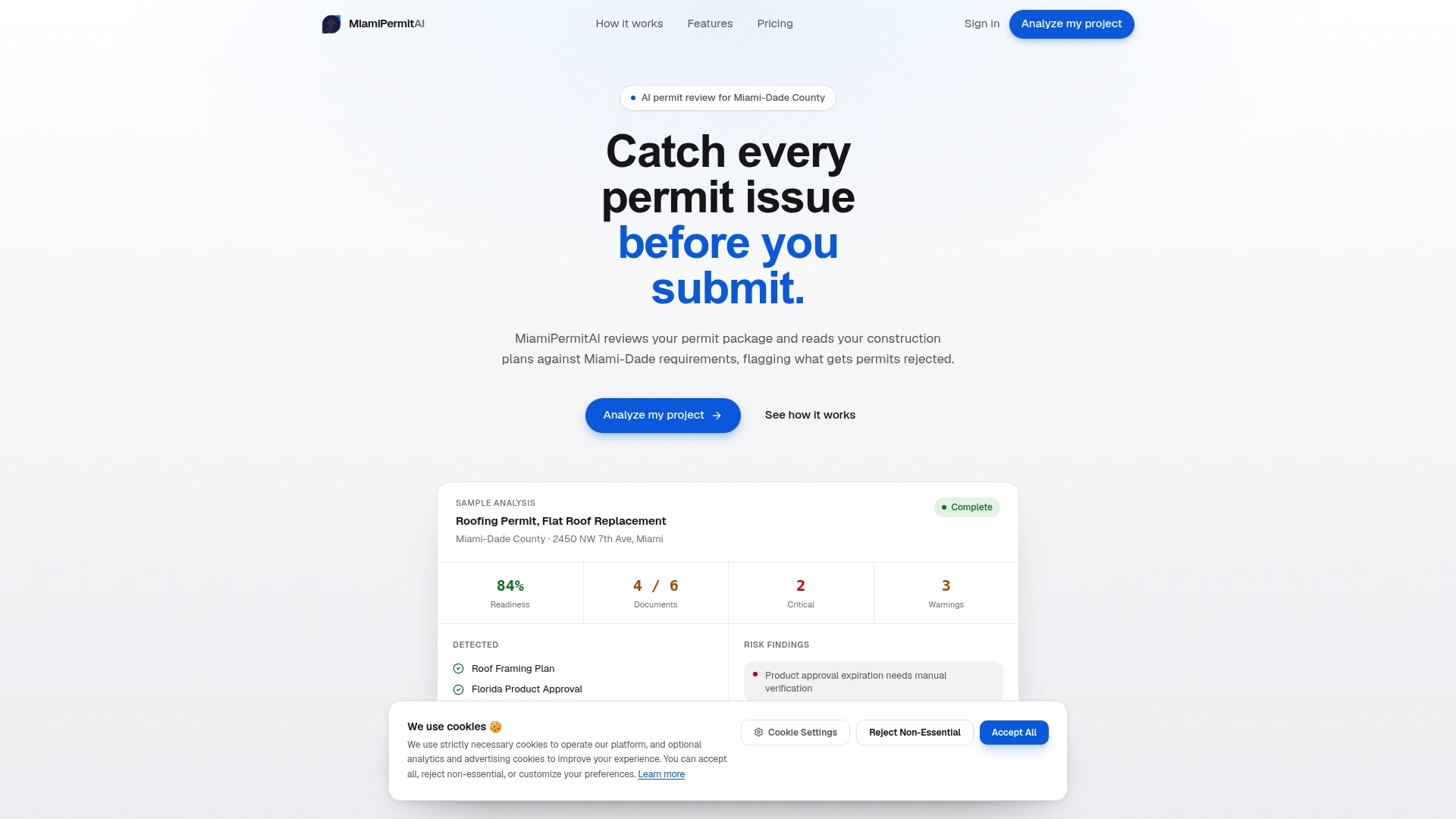
The platform checks your submission against Miami 21 zoning, FEMA flood zones, folio property records, and Florida DBPR contractor license data. You get a readiness score, a plain-language list of what to fix, and status updates by email after you submit. If you want to check your permit package before it goes to the county, Miamipermitai gives you a clear picture of where you stand before the reviewer does.
FAQ
What is a homeowner building permit application?
A homeowner building permit application is a formal request submitted to Miami-Dade County for authorization to begin residential construction or renovation. It includes project drawings, site plans, and supporting documents reviewed for Florida Building Code and Miami 21 zoning compliance.
Why do permit rejections happen to homeowners?
Incomplete applications and internal document inconsistencies are the top causes of permit rejections. A site plan that does not match the floor plan dimensions, or a missing engineer seal on structural drawings, will trigger a correction request before review proceeds.
How long does the permit approval process take in Miami-Dade?
Standard residential reviews take 5–20 business days. Complex projects with structural or engineering components can take 4–8 weeks or longer. Expedited review is available at 50–100% higher fees.
What happens if you start work before the permit is issued?
Starting construction before permit issuance triggers a stop-work order and fines starting around $700. You may also be required to expose completed work so inspectors can verify code compliance before the project continues.
Do electrical and plumbing permits require separate applications?
Electrical and plumbing work in Miami-Dade typically require their own sub-permits under the main building permit. Each trade is reviewed separately, and rough electrical and rough plumbing inspections must be scheduled and passed before walls are closed in.
Recommended
Is your permit package ready?
Run an AI readiness check against Miami-Dade requirements before you submit.
Start your first projectThis article is general guidance and not legal, engineering, or official county advice. Always verify requirements with Miami-Dade County before submitting a permit.