By the MiamiPermitAI team · July 17, 2026 · Updated September 30, 2026
Revision Submittal Permit: Miami-Dade Guide for 2026

A revision submittal permit is a formal application to amend construction plans that have already been approved and permitted. It is the official mechanism used to document, review, and authorize any changes to a permitted project before those changes are built. For contractors, homeowners, and real estate investors in Miami-Dade County, understanding what is a revision submittal permit is not optional. Building without an approved revision exposes you to stop-work orders, failed inspections, and costly demolition of completed work.
What is a revision submittal permit and why does it matter?
A revision submittal is a formal request to change already approved and permitted work, requiring a distinct application to keep the permit record accurate. The distinction matters because the original permit only authorizes the work described in the original approved plans. The moment you deviate from those plans, you are technically building without authorization for the changed scope.
Miami-Dade County’s building department enforces this strictly. Inspectors compare field conditions against the approved permit drawings. If the work does not match, the inspector will flag the discrepancy and may issue a correction notice or hold the inspection until a revision is approved. That hold can freeze your entire project.

The term “revision submittal permit” is the common phrase used by contractors and homeowners, but the recognized industry term is a permit revision or plan revision submittal. Both phrases refer to the same formal process. Using the correct terminology when communicating with Miami-Dade’s permitting portal avoids confusion and speeds up intake.
When do you need to file a permit revision?
Not every field decision requires a formal revision. The line between a minor field change and a revision that needs submittal is one of the most misunderstood points in construction management.
You need a formal revision submittal when the change affects:
- Structural elements: Moving a load-bearing wall, changing beam sizes, or altering foundation details.
- Mechanical, electrical, or plumbing systems: Rerouting ductwork, relocating electrical panels, or changing pipe sizes beyond what the original plans show.
- Building envelope: Changing window or door locations, sizes, or ratings.
- Material substitutions: Swapping a specified product for one with different fire, wind, or energy performance ratings.
- Square footage or height: Any addition to the building footprint or vertical dimension.
- Zoning-sensitive elements: Changes that affect setbacks, lot coverage, or floor area ratio under Miami 21 zoning.
Minor clarifications, like confirming a dimension that was always implied by the drawings, generally do not require a revision. When in doubt, call Miami-Dade’s building department before proceeding. Proceeding without clarity is the more expensive gamble.
Failing to file a required revision has real consequences. The county can issue a stop-work order, void the original permit, or require you to expose completed work for inspection. For real estate investors, an unresolved permit revision can block a certificate of occupancy and delay a sale or refinancing.
How to submit a revision permit in Miami-Dade County
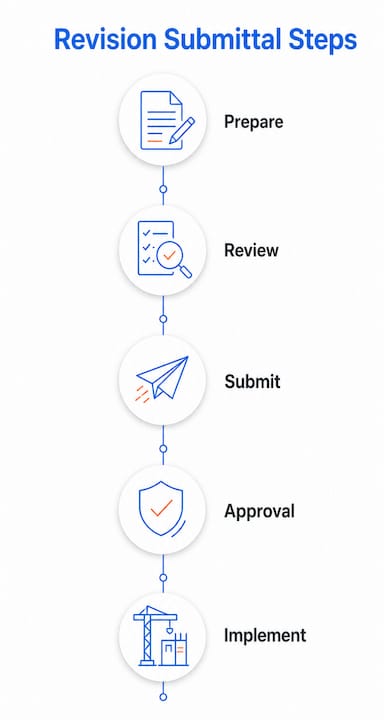
The revision permit process in Miami-Dade follows a defined sequence. Skipping steps is the fastest way to trigger a rejection.
-
Prepare updated drawings. Revise the original permitted plans to reflect all changes. Every change must be clearly bubbled or clouded on the plan sheets. Reviewers should not have to search for what changed. Forcing them to do so causes rejections or delays.
-
Complete the revision application form. Miami-Dade requires a separate revision application tied to the original permit number. Download the current form from the Miami-Dade Building Department portal and fill it out completely. Incomplete applications are returned without review.
-
Attach supporting documents. Depending on the scope of the revision, you may need updated structural calculations, energy compliance forms, product approval sheets, or engineer certifications. Missing documentation is the primary cause of rejection.
-
Submit through the online portal. Miami-Dade processes revision submittals through its ePlan system. Upload all documents in the required PDF format, name files according to the portal’s naming conventions, and confirm the submission is linked to the correct permit folio.
-
Pay the revision fee. Fees are based on the value of the revised work. If the revision increases the project’s valuation, expect a fee adjustment. Check the current Miami-Dade fee schedule before submitting.
-
Track the review. Standard permit revision reviews take between 7 to 10 business days depending on complexity. That timeline can extend if the revision triggers a secondary review by the zoning, fire, or structural departments.
-
Respond to comments promptly. If the reviewer issues correction comments, you have a limited window to respond. Delays in responding restart the clock and push your approval further out.
Pro Tip: Before uploading, run your revision package against the permit readiness checklist for Miami-Dade. A five-minute check before submission can save two weeks of back-and-forth.
One regulatory nuance specific to Miami-Dade: significant changes can bring a project under new requirements not applicable at original permit issuance. If your revision is substantial, the county may require compliance with the current Florida Building Code edition or updated Miami 21 zoning rules. This is not a technicality. It has real cost implications for projects where the original permit was issued under an older code cycle.
Common pitfalls that get revision permits rejected
Most revision rejections are preventable. The causes repeat across projects and across applicants.
- Unmarked changes on plans. Submitting revised drawings without bubbles or clouds around the changed areas is the single most common reason reviewers return a package. The reviewer is not responsible for finding your changes.
- Wrong permit number on the application. Linking the revision to the wrong original permit sends it to the wrong review queue. It may sit unreviewed for days before anyone catches the error.
- Submitting after permit expiration. A revision request is invalid if the original permit has expired or already received a final inspection. You must renew the original permit before filing the revision.
- Missing engineer or architect seal. Structural and life-safety revisions require a Florida-licensed engineer or architect seal on the updated drawings. Submitting unsealed plans for work that requires them is an automatic rejection.
- Inconsistent revision numbering. If you have submitted previous revisions, the new package must carry the correct sequential revision number. Inconsistent numbering confuses the review record and can cause your package to be rejected as a duplicate or misfiled.
Pro Tip: Conduct an internal pre-submittal review against the original permit documents before uploading anything. Treating the review as a formality is the most common pitfall leading to costly delays.
Maintaining a revision log on your project is not bureaucratic overhead. It is the fastest way to answer a reviewer’s question about what changed, when, and why. Projects with clear version control move through the county’s review queue faster than those where the history is unclear.
How revision submittals affect your project timeline and contracts
Revision submittals have a direct impact on project scheduling that many contractors and investors underestimate.
| Scenario | Timeline Impact | Contract Implication |
|---|---|---|
| Revision approved within standard review period | 7–10 business days added to schedule | No contract change; proceed per original terms |
| Revision triggers secondary department review | 3–6 additional weeks possible | Procurement and installation must pause |
| Revision submitted after permit expiration | Permit renewal required first | Significant delay; potential cost increase |
| Revision requires new code compliance | Full re-review; timeline unpredictable | May require contract change order |
Submittal approval does not modify the original contract. Contractors remain responsible for compliance even after submittal approval, unless the contract is explicitly amended through a written change order. This is a point that creates disputes on renovation projects in Miami-Dade. The county approving your revision does not mean your client has agreed to pay for the additional work.
Timing your revision submittal correctly protects your schedule. Submit the revision before you order materials or schedule subcontractors for the affected scope. Waiting until the last minute forces you to either delay installation or proceed without approval, both of which carry risk.
Key Takeaways
A revision submittal permit is a required formal application any time approved construction plans change, and filing it correctly the first time is the most effective way to protect your project schedule in Miami-Dade County.
| Point | Details |
|---|---|
| Definition is specific | A revision submittal is a distinct application to amend already approved permit drawings, not a general update. |
| Timing is critical | Revisions must be filed before the original permit expires and before a final inspection is issued. |
| Documentation drives approval | All changes must be bubbled or clouded on plans; missing markups are the top cause of rejection. |
| Approval is not a contract change | County approval of a revision does not amend your contract; a written change order is required. |
| Significant revisions trigger new reviews | Large scope changes can require compliance with current codes, adding time and cost to the project. |
Common ways revision submittals go wrong
After years of watching Miami-Dade permit packages move through the county’s review system, the pattern is clear. The projects that get stuck are not the complicated ones. They are the ones where someone assumed the revision was a formality.
One of the most expensive mistakes contractors make is submitting a revision package the same week they need the approval. The 7–10 business day review window is a best case. Add a secondary zoning or structural review, and you are looking at weeks, not days. Projects that plan for revision lead time build it into the schedule from the start.
Homeowners face a different trap. They often do not realize a change requires a revision until the inspector flags it in the field. At that point, the work is done, the inspector has issued a hold, and the homeowner is paying a contractor to stand by while the revision works through the queue. Filing before you build is always cheaper than filing after.
One more point for any real estate investor in Miami-Dade: unresolved permit revisions show up in the permit history. When you go to sell or refinance, a title search or lender review will surface open permits and unresolved revisions. Cleaning those up under deadline pressure costs far more than handling them correctly during construction. Treat the revision submittal guidelines as a financial protection tool, not a bureaucratic hurdle.
How Miamipermitai helps you get revision submittals right
Catching errors before you submit is the only way to avoid the delays that come after.
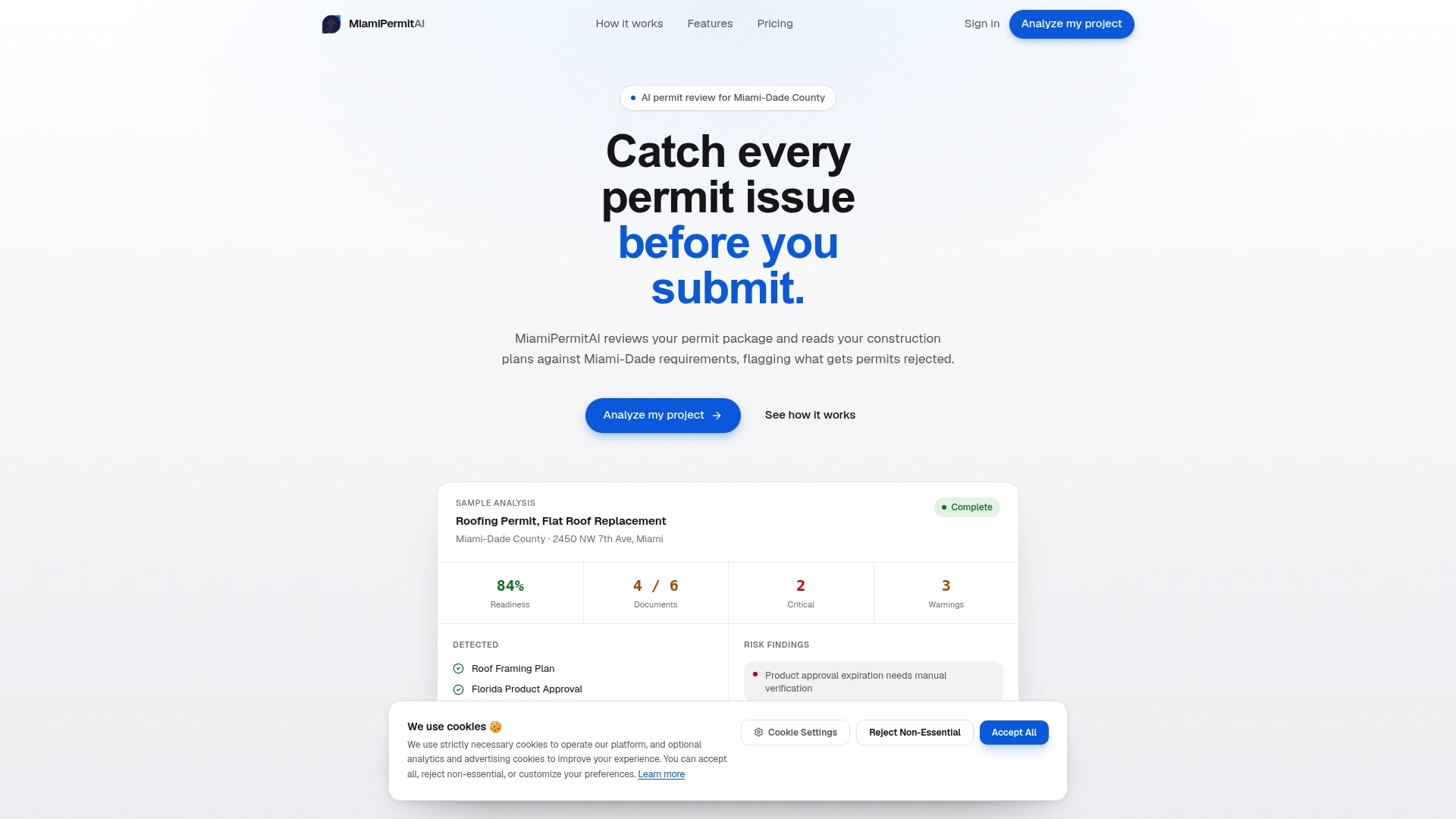
Miamipermitai reviews your revision package against Miami-Dade’s actual requirements before you upload it to the county’s ePlan system. The platform reads your updated drawings, checks them against Miami 21 zoning, FEMA flood zone data, and Florida DBPR contractor license records, and flags the issues that most often cause rejections. You get a clear readiness score and a plain-language list of what to fix. After you submit, Miamipermitai tracks your revision through the county’s review queue and sends you status updates by email. Check your permit package before it costs you two weeks.
FAQ
What is a revision submittal permit?
A revision submittal permit is a formal application to amend construction plans that have already been approved by the building authority. It is required any time the scope, design, or materials of a permitted project change from what was originally approved.
When can you no longer file a revision permit?
A revision request is invalid if the original permit has already expired or received a final inspection. You must renew the original permit before a revision can be accepted.
How long does a revision permit take in Miami-Dade County?
Standard revision reviews take between 7 to 10 business days, though complex changes that trigger secondary department reviews can take significantly longer.
Does a revision permit approval change your construction contract?
No. Submittal approval is a compliance checkpoint, not a contract amendment. Any change to the contract scope or cost requires a separate written change order signed by both parties.
What documents are required for a revision submittal in Miami-Dade?
A complete revision package includes the revision application form, updated plan sheets with all changes bubbled or clouded, and any supporting engineering or certification documents required by the scope of the change.
Recommended
Is your permit package ready?
Run an AI readiness check against Miami-Dade requirements before you submit.
Start your first projectThis article is general guidance and not legal, engineering, or official county advice. Always verify requirements with Miami-Dade County before submitting a permit.