August 14, 2026
Environmental Review Permits in Miami-Dade Building Approvals
Environmental Review Permits in Miami-Dade Building Approvals
Environmental review permits are a mandatory, integrated gate inside every Miami-Dade building permit approval, not a separate optional filing. DERM, Miami-Dade County Code Sec. 24-49, FEMA flood maps, and Florida DBPR contractor license verification all feed into that gate. Miss one, and your plans come back with correction flags before a single nail goes in.
Three things to do right now:
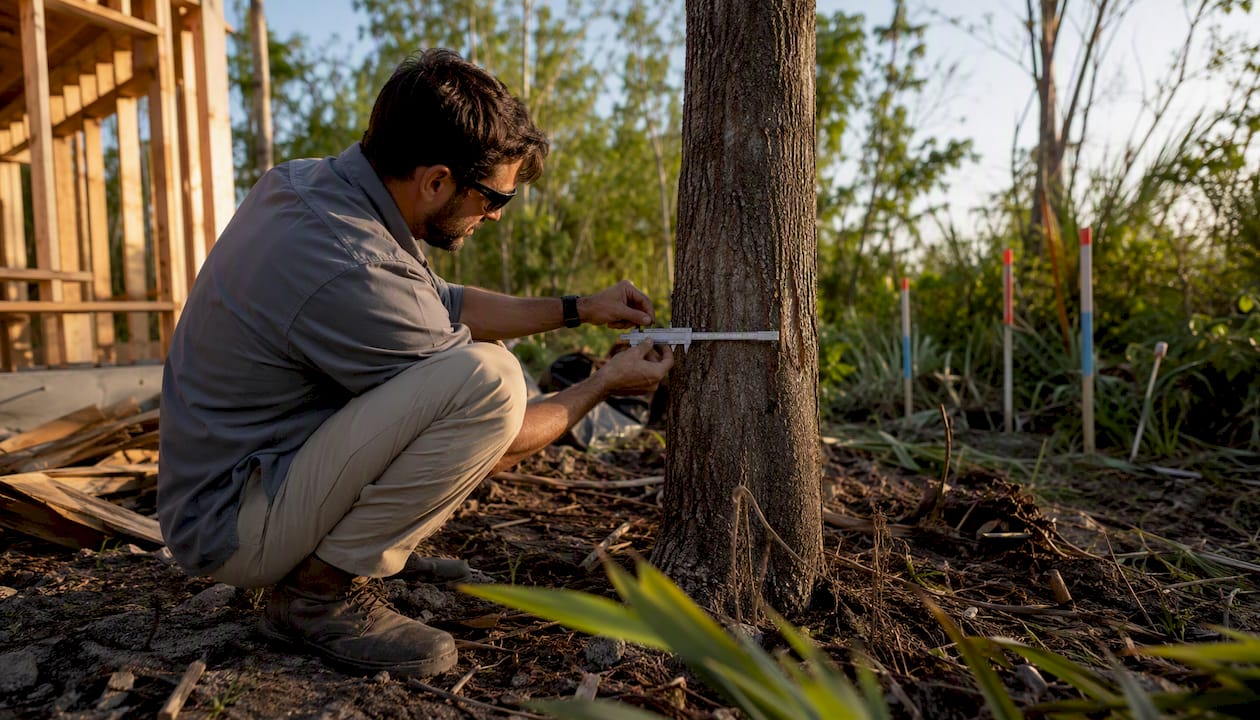
- Confirm tree thresholds and NFC status against Sec. 24-49 (any tree ≥3" dbh or ≥12’ height triggers a permit; specimen trees ≥18" dbh carry double replacement obligations).
- Verify FEMA and County flood criteria and show finished grade plus base flood elevation on your sealed plans per Chapter 11C.
- Assemble a tree survey and hydrology/topo package before submission, or run a pre-submission readiness check with Miamipermitai.
Key Takeaways
Environmental review is an automatic, integrated part of every Miami-Dade building permit, and missing tree, flood, or wetland documentation is the leading cause of corrections and delays.
| Point | Details |
|---|---|
| Tree and NFC triggers | Any tree ≥3" dbh or ≥12’ height requires a permit; specimen trees ≥18" dbh require double canopy replacement plus a Tree Trust Fund fee. |
| Flood elevation on plans | Chapter 11C requires finished grade and base flood elevation on every sealed submittal; County criteria often exceed FEMA minimums. |
| Bundle documents on first submittal | Include tree survey with dbh, hydrology/topo, and sealed elevation cert together to avoid the flag-and-resubmit cycle. |
| Miamipermitai catches flags early | Run a pre-submission readiness check to identify tree, flood, and document gaps before DERM sees your file. |
If DERM denies or flags your permit, request written reviewer clarification immediately and resubmit the missing sealed certifications or mitigation plan quickly to avoid stop-work orders or fines.
Table of Contents
- What does Miami-Dade’s environmental review actually cover?
- What reviewers actually see when your file lands at DERM
- Catch environmental flags before you submit with Miamipermitai
- Sources
What does Miami-Dade’s environmental review actually cover?
The scope is wider than most applicants expect. DERM’s review touches tree preservation, Natural Forest Communities (NFCs), coastal and wetland impacts, stormwater drainage, and floodplain compliance, with thresholds that trigger permits or mandatory plan changes.
Tree and NFC triggers. Under Sec. 24-49, any tree meeting the ≥3" dbh or ≥12’ height definition requires a removal permit. Specimen trees at ≥18" dbh require 100% canopy replacement for non-specimens and double canopy replacement plus a Tree Trust Fund contribution for specimens. NFCs get additional protection; DERM can require site plan modifications to preserve them.
Coastal, wetland, and stormwater permits. The County’s One-Time Environmental Permits cover six classes: Class I (coastal/shoreline), Class II (stormwater), Class III (dewatering), Class IV (wetlands, which can trigger a public hearing), Class V (contaminated sites), and Class VI (miscellaneous). Expedited Administrative Authorizations (EAAs) exist for narrow, low-impact activities like specific shoreline repairs or invasive species removal, but they require precise documentation proving no adverse environmental impact. Missing that documentation pushes the project into full review, adding weeks.
Flood and finished grade. Chapter 11C requires every building permit application to include minimum finished grade elevation and base flood elevation. County flood criteria often exceed FEMA minimums, so checking only the FEMA map is a common source of rejections. When floodplain items are missing, the County can issue stop-work orders before vertical construction begins.
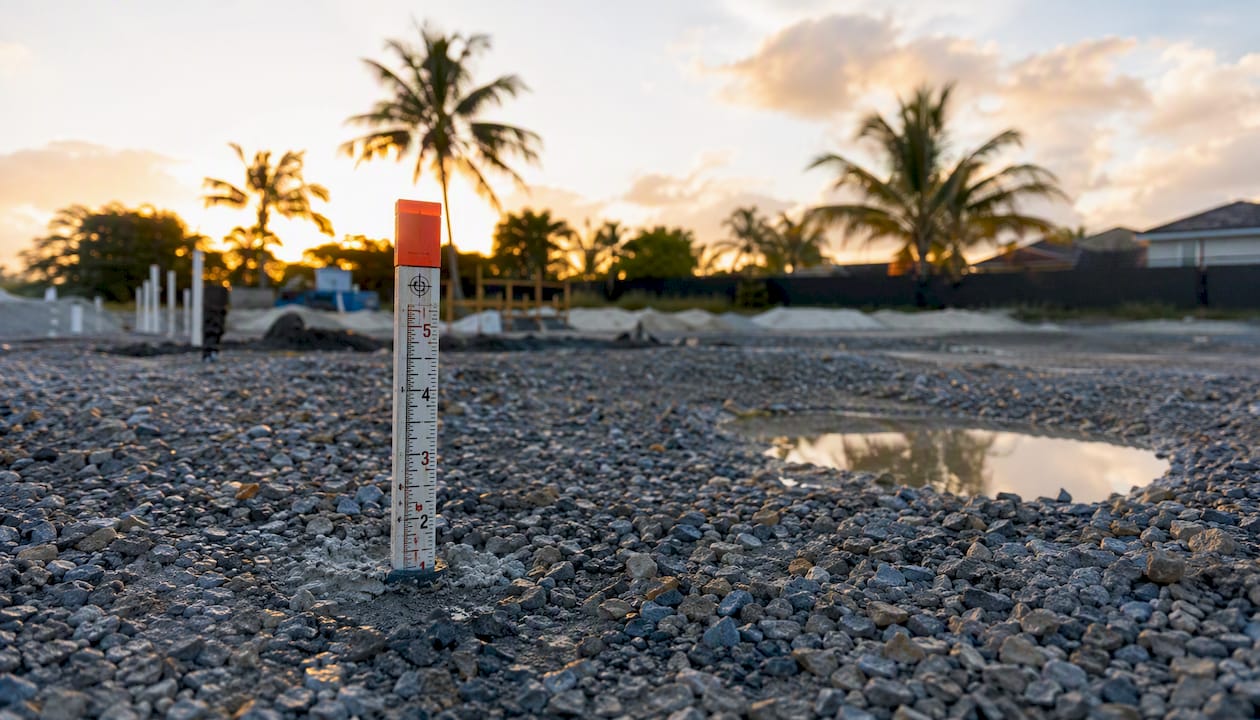
The most common documentation failures: tree surveys with no dbh measurements, plans missing finished grade or elevation data, absent mitigation plans for specimen trees, and incomplete hydrology or dewatering controls.
| Environmental item | Trigger | Key document required |
|---|---|---|
| Tree removal/relocation | ≥3" dbh or ≥12’ height | Tree survey with dbh, mitigation/planting plan |
| Specimen tree removal | ≥18" dbh | Double canopy replacement + Tree Trust Fund fee |
| Coastal/shoreline work | Any Class I activity | One-Time Environmental Permit application |
| Wetland impact | Class IV activity | Jurisdictional Wetland Determination, possible public hearing |
| Floodplain compliance | All building permits | Finished grade, base flood elevation, sealed elevation cert |
For projects involving site clearing before construction, coordinating property cleanouts early helps document existing conditions before the tree survey is finalized.
What reviewers actually see when your file lands at DERM
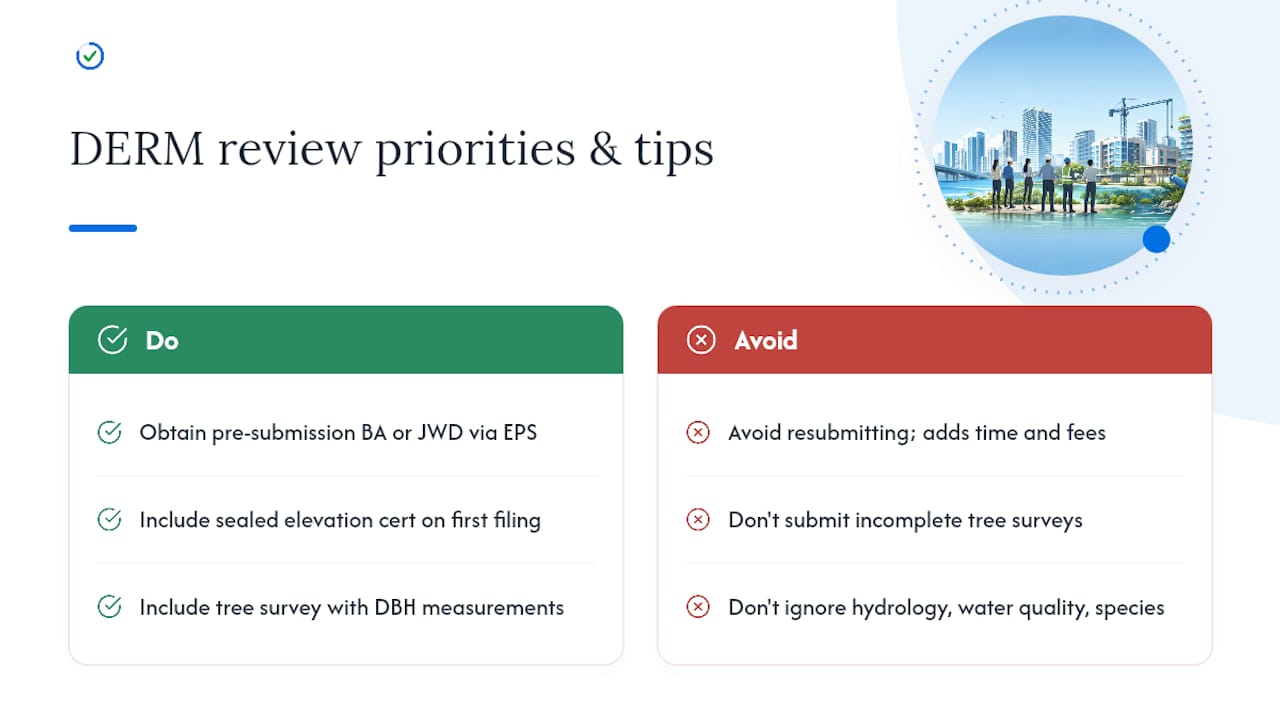
Environmental review is not an optional add-on. A standard building permit submittal triggers an automatic internal DERM review covering tree preservation, drainage, and coastal or wetland impacts, whether you filed a separate environmental permit or not. DERM weighs hydrology, water quality, and impacts to rare or endangered species most heavily. Those three items are the most common permit-killers.
The practical tip most applicants skip: obtain a pre-submission Biological Assessment or Jurisdictional Wetland Determination through the EPS Portal and include a sealed elevation certification on the first submittal. That single step eliminates the most common “flag and resubmit” cycle. Resubmitting costs time and, depending on the project, can trigger additional review fees.
Pro Tip: Include your tree survey with dbh measurements and your sealed elevation cert in the initial submittal package. Reviewers flag incomplete surveys on the first pass, and a second round adds weeks to your timeline.
Catch environmental flags before you submit with Miamipermitai
Permit rejections tied to environmental items are predictable. Miamipermitai reads your uploaded construction plans against Miami-Dade’s actual requirements before you submit, flagging tree and NFC issues, missing finished grade or FEMA elevation data, incomplete document packages, and Florida DBPR contractor license gaps. You get a readiness score and a plain-language fix list, not a generic checklist.
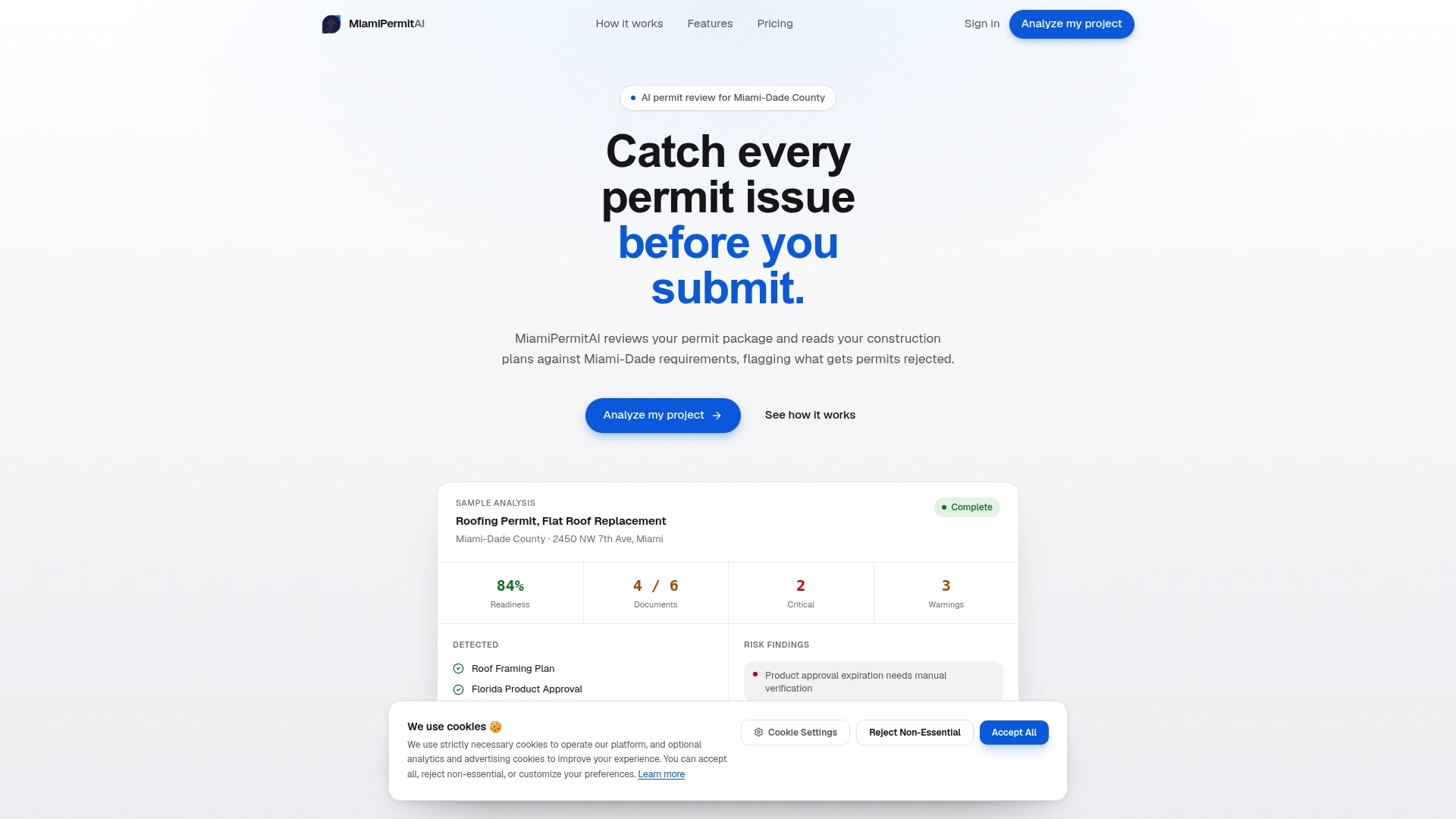
Contractors with multiple active permits can use a subscription plan for monthly analyses. Single-project users, including homeowners and investors, can purchase a one-time permit-readiness report. A free preview shows the top flags; the full report with specific fixes unlocks with payment. Run your check at Miamipermitai before your formal submission to DERM.
Sources
- Chapter 11C - FLOODPLAIN REGULATIONS | Code of Ordinances | Miami - Dade County, FL | Municode Library
- Miami-Dade County Tree Removal Permit Application Package
This article is general information, not a substitute for advice from a qualified lawyer. Consult a qualified legal professional about your own circumstances before acting on anything here.
Is your permit package ready?
Run an AI readiness check against Miami-Dade requirements before you submit.
Try your first analysis freeThis article is general guidance and not legal, engineering, or official county advice. Always verify requirements with Miami-Dade County before submitting a permit.