By the MiamiPermitAI team · August 20, 2026 · Updated September 30, 2026
Flip Project Permit Timeline Florida: A Guide for Investors
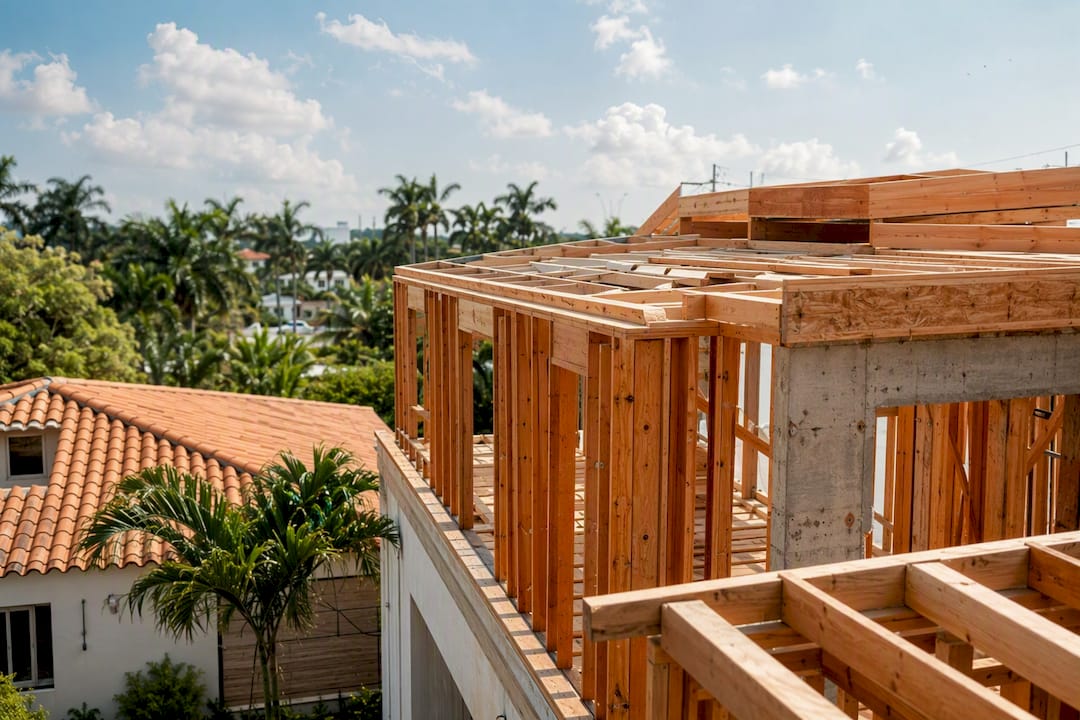
Budget 30 to 60 business days for plan review on most Florida flips, then add real-world time for corrections, outside-agency sign-offs, and inspections. The controlling rule is Florida Statute 553.792, which sets a 30-business-day clock for complete residential applications under 7,500 square feet and 60 business days for anything larger. That statute governs the local building department’s response time, not the whole project. Add revision cycles, and a “simple” bathroom remodel permit can often take over a month before a contractor ever picks up a hammer.
Here’s what to plan for by scope:
- Over-the-counter or single-trade work: days to 2 weeks
- Kitchen/bath remodels, moderate scope changes: 2 to 8 weeks for plan review alone
- Additions or major structural work: 4 to 12+ weeks
Pro Tip: If you’re under contract but not yet closed, ask the seller to authorize a pre-permit submission. You can’t start construction, but you can start the review clock weeks earlier.
Key Takeaways
Florida’s 553.792 statute sets a 30 or 60 business day review clock, but real flip timelines depend on submission quality, outside-agency approvals, and local policy.
| Point | Details |
|---|---|
| Statutory review windows | Budget 30 business days for projects under 7,500 sq ft, 60 for larger ones, per Section 553.792. |
| Prescreen and corrections | A 5-business-day completeness check and 10-business-day revision window can add weeks if your first submission is incomplete. |
| HB 803 exemption limits | Cosmetic work under $7,500 skips permitting starting July 1, 2026, but flood zones and the five core trades are excluded. |
| Outside-agency reviews add time | Fire, flood, and HOA approvals run outside the statutory clock and often set the real timeline. |
| Readiness checks reduce rework | Miamipermitai flags zoning, flood, licensing, and plan-consistency issues in Miami-Dade before you submit to the county. |
Where to Verify Your Local Permit Timeline
- City of Miramar permitting information for a sample local timeline breakdown
- Tampa’s 2026 residential alteration permit guide for intake and prescreen details
- Brevard County’s residential renovation guidance for notice-of-commencement requirements
This article is general information, not a substitute for advice from a qualified lawyer. Consult a qualified legal professional about your own circumstances before acting on anything here.
Table of Contents
- How Florida’s Permit Timeline Statute Actually Works
- What Permits Does a Flip Actually Need?
- How Long Does Plan Review Take by Project Type?
- Why Do Permit Timelines Slip on Flip Projects?
- Can Permit-Readiness Checks Actually Shorten Your Timeline?
- What Does a Sample Flip Permit Calendar Look Like?
- What Should You Check Before Buying a Flip?
- What Special Situations Add Time to Permit Review?
- Get Your Miami-Dade Permit Reviewed Before You Submit
- Sources
How Florida’s Permit Timeline Statute Actually Works
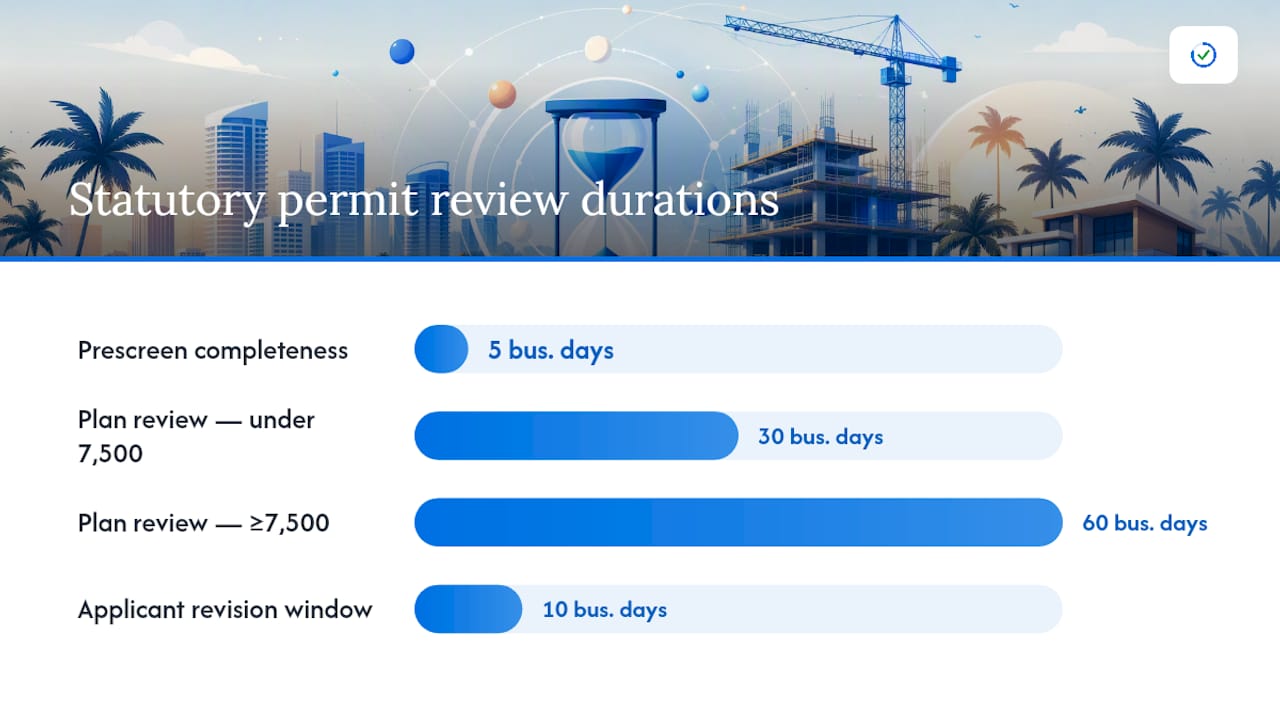
Section 553.792 splits residential review into two lanes. Applications for buildings under 7,500 square feet get a 30-business-day decision window; larger projects get 60 business days. That’s the outer limit for the building department to approve, conditionally approve, or deny a complete application, not a promise of speed.
Before that clock even starts, the statute requires a 5-business-day prescreen: the department checks whether your submission is complete enough to review at all. If it’s rejected at prescreen, you get a corrections list and typically 10 business days to fix and resubmit. Miss a deadline as the applicant and the clock resets against you.
| Statutory Stage | Timeframe |
|---|---|
| Prescreen/completeness check | 5 business days |
| Plan review, under 7,500 sq ft | 30 business days |
| Plan review, 7,500 sq ft or larger | 60 business days |
| Applicant revision window | 10 business days |
If the local government blows its own deadline, the statute allows fee reductions as a remedy, though applicants can waive that right in writing to buy the department more time. Local guidance from the City of Miramar confirms these timelines apply to Florida Building Code disciplines specifically, not to outside-agency approvals layered on top.
What Permits Does a Flip Actually Need?
Five trades always require a permit in Florida, no exceptions: electrical, plumbing, structural, mechanical, and gas. HVAC swaps, window replacements, reroofing, and pool work all trigger permits too, regardless of cost.
That said, Florida HB 803, effective July 1, 2026, exempts non-structural, non-trade residential work under $7,500 from permitting on single-family homes. Painting, flooring, drywall patching, and cabinet swaps often qualify.
- HB 803 exemption does not apply in FEMA flood hazard areas
- It excludes the five trades listed above, even under $7,500
- You must submit a written exemption request to the local authority first
- Bundling multiple cosmetic tasks that touch wiring or plumbing likely voids the exemption
A “quick paint and flip” that also swaps a water heater isn’t cosmetic anymore. That single detail turns a same-day job into a multi-week permit process.
How Long Does Plan Review Take by Project Type?
Real timelines vary more by scope than by anything else you control. Aggregated data from investor timeline guides puts minor trade permits at 1 to 7 business days when paperwork is clean. Moderate remodels with structural changes run 2 to 8 weeks for plan review. Major additions frequently take 4 to 12 weeks or longer, especially with multiple disciplines under review.
- Reroof or window replacement: often approved in days, sometimes same-day online
- Kitchen or bath remodel with structural changes: 2 to 8 weeks for review, plus inspections
- Room addition: 4 to 12+ weeks, longer if outside-agency sign-off is needed
- Pool installation: varies widely by county due to setback and drainage review
A typical kitchen remodel breaks down like this: two weeks to prep sealed plans and product approvals, three to four weeks for first review, one to two weeks if corrections come back, then inspection scheduling on top — more examples are detailed in home renovation timeline examples. That’s easily two months before the county calls it done, separate from actual construction time.
Pro Tip: County and city portals move at different speeds even under the same statute. Check your specific jurisdiction’s average review time before you set a hard closing date on your exit.
Why Do Permit Timelines Slip on Flip Projects?
Incomplete applications cause more delays than any single factor. Missing product approvals, plans that don’t match the application scope, and skipped outside-agency reviews (fire, flood, planning) all bounce a submission back to square one.
- Incomplete or inconsistent plan sets triggering prescreen rejection
- Missing FEMA or product approval documentation
- HOA or condo association reviews running in parallel, not sequentially
- Inspector scheduling backlogs during busy renovation seasons
- Outside-agency approvals treated as prerequisites rather than concurrent steps
The City of Tampa’s 2026 permit guide makes clear that outside-agency approvals sit outside the 553.792 statutory clock entirely, so a missing fire department sign-off can stall a project no matter how fast plan review runs.
Pro Tip: Ask upfront whether your county allows sequential or concurrent outside-agency review. A signed waiver sometimes lets you run reviews in parallel instead of one after another.
Can Permit-Readiness Checks Actually Shorten Your Timeline?
Readiness tools that check zoning, flood zone status, contractor licensing, and plan consistency before you submit catch the errors that cause prescreen rejections in the first place. Missing sealed drawings, mismatched square footage between the application and plans, and expired contractor licenses account for a large share of first-round bounce-backs.
A submission that passes a private readiness review before it hits the county desk arrives closer to “ready-to-approve” than a raw first draft, cutting the number of correction cycles a project has to survive.
- Zoning and setback checks against Miami 21 or local code
- FEMA flood zone and elevation cross-checks
- Florida DBPR contractor license verification
- Document completeness and plan consistency review
None of this eliminates outside-agency review times or local policy quirks. It shrinks the part of the timeline you actually control: your own submission quality.
What Does a Sample Flip Permit Calendar Look Like?
Here’s a copyable sequence for a moderate kitchen and bath flip:
- Week 0 (at contract): Pull permit history, confirm flood zone status, verify no open violations
- Week 1 to 2: Finalize sealed plans, product approvals, and contractor licensing documents
- Week 2 to 3 (pre-close if seller allows): Submit permit application
- Week 3 to 4: Prescreen completeness check (5 business days)
- Week 4 to 8: Plan review under the 30-business-day statutory clock
- Week 8 to 10: Corrections cycle, if needed (10-business-day revision window)
- Week 10 onward: Construction begins, inspections scheduled at rough-in, framing, and final stages
- Final week: Certificate of completion or occupancy issued
Compressing this schedule usually comes down to three moves: pre-submitting during due diligence, using private plan review to catch errors early, and running eligible cosmetic work under HB 803 in parallel with permitted trades.
What Should You Check Before Buying a Flip?
Before you write an offer, pull the property’s permit history and confirm there’s no open or expired permit sitting on the folio. Ask the seller directly whether any past work was completed without inspection sign-off.
- Confirm FEMA flood zone designation and base flood elevation
- Check for open permits, expired permits, or code violations on record
- Review HOA or condo association renovation rules separately from county rules
- Verify the seller’s contractor used a valid, active Florida license
- Request the notice of commencement and prior permit documents directly
If the timeline is tight, negotiate seller authorization into the contract to pre-submit permits before closing.
What Special Situations Add Time to Permit Review?
Flood zones and coastal properties add real time. Anything inside a FEMA-designated flood hazard area loses HB 803’s cosmetic exemption entirely, and coastal parcels near the shoreline may also need Coastal Construction Control Line approval from the state, a separate process from county plan review.
- Flood zone properties: no HB 803 exemption, elevation certificates often required
- Condos and HOAs: association approval runs independently of county permitting, and HB 803 mainly limits HOA gatekeeping on eligible cosmetic work, not structural reviews
- Coastal parcels: CCCL review adds a separate state-level approval step
- After-the-fact permits: often require opening finished walls to document existing conditions, plus penalty fees that can erase a flip’s margin entirely
Condo boards still control their own review timeline regardless of what the county’s statutory clock says. Budget separately for that approval.
What Actually Shortens a Permit Timeline in Practice?
The biggest time savings tend to come from two unglamorous habits: pre-submittal document checks and sticking with licensed contractors who’ve filed in that county before. Catching a mismatched square footage error before submission, instead of after a prescreen rejection, can save weeks on a remodel.
Get Your Miami-Dade Permit Reviewed Before You Submit
Everything above assumes your application is clean on the first try, and that’s the part investors can actually control. Miamipermitai is built for exactly that gap: a readiness check that runs your Miami-Dade flip package against Miami 21 zoning, FEMA flood maps, folio records, and Florida DBPR contractor license data before the county ever sees it.
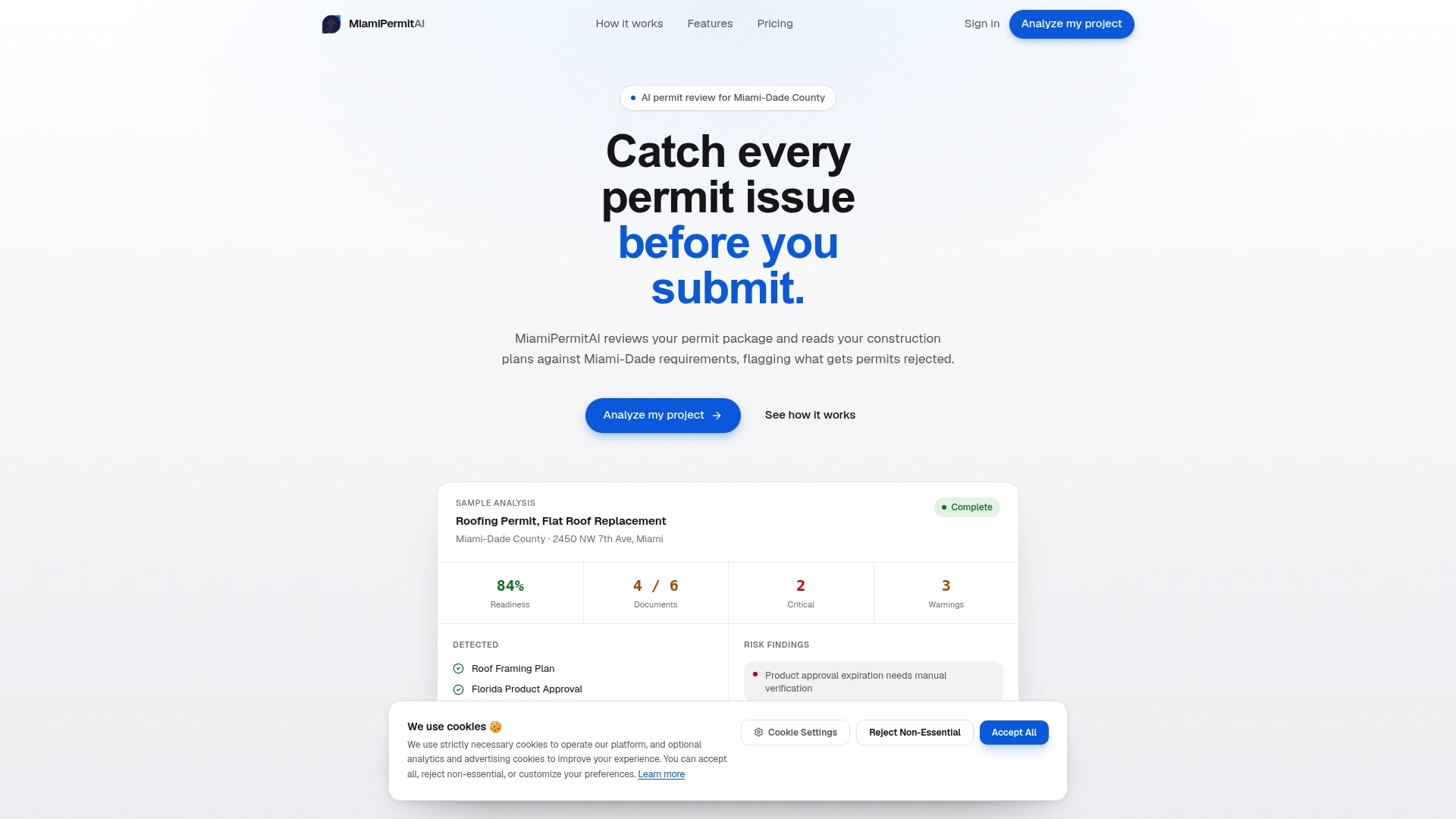
You get a readiness score, a plain-language fix list, and status tracking by email after you submit, so you’re not refreshing a portal every day wondering where your application sits. This applies specifically to properties in Miami-Dade County. If you’ve got a flip permit going in soon, check your permit package before you submit and see what a reviewer would flag first.
Sources
- Building Permit Exemption — House Bill 803 (Homestead, FL)
- City of Miramar — Permitting information and plan review timelines
- City of Tampa — New permit application guide (residential alteration, 2026)
Recommended
Is your permit package ready?
Run an AI readiness check against Miami-Dade requirements before you submit.
Start your first projectThis article is general guidance and not legal, engineering, or official county advice. Always verify requirements with Miami-Dade County before submitting a permit.